
What we do · 04
Capacity building
Training is how we make sure our work does not depend on us.
Area of work 04
Capacity building and livelihood support
Sanitation only lasts when the people who build it can also run it, repair it and teach others. Training is how we make sure our work does not depend on us.
The training programme described below was delivered with Sulabh International and UN-Habitat.
- Trained
- Engineers, planners, administrators and entrepreneurs from 14 African countries
- With
- UN-Habitat, Nairobi, 2005 and 2006
- Evaluated
- UN-Habitat Water and Sanitation Trust Fund, 2011
- Handed over to
- Kabul Municipality; Pashupati Area Development Trust
The work
Knowledge that stays behind
Training in Nairobi
In 2005 and 2006, working with UN-Habitat in Nairobi, engineers, planners, administrators and entrepreneurs from 14 African countries were trained in the technology and methods of Sulabh sanitation. They came from Burkina Faso, Cameroon, Côte d'Ivoire, Ethiopia, Ghana, Kenya, Mali, Mozambique, Nigeria, Rwanda, Senegal, Tanzania, Uganda and Zambia. In 2011, an independent evaluation of UN-Habitat's Water and Sanitation Trust Fund described the work as innovative and promising, noted a standing arrangement for training local staff in sanitation, and called the partnership valuable for both sides.
Passing on the build
On the ground, the same principle applies. When our South African team installs twin-composter toilets, it passes the construction knowledge to local builders, who can then build household toilets themselves. At Inkanyiso Crèche the team adapted the design to rocky soil with no water or power, and the builders learned how to do it alongside us.
Handing over what we build
We also hand over what we build. In Kabul, the five public complexes are operated and maintained by Kabul Municipality. In Kathmandu, Zonta Club Kathmandu built the Pashupati toilets with this technology and handed them to the Pashupati Area Development Trust to run.
Skills and jobs
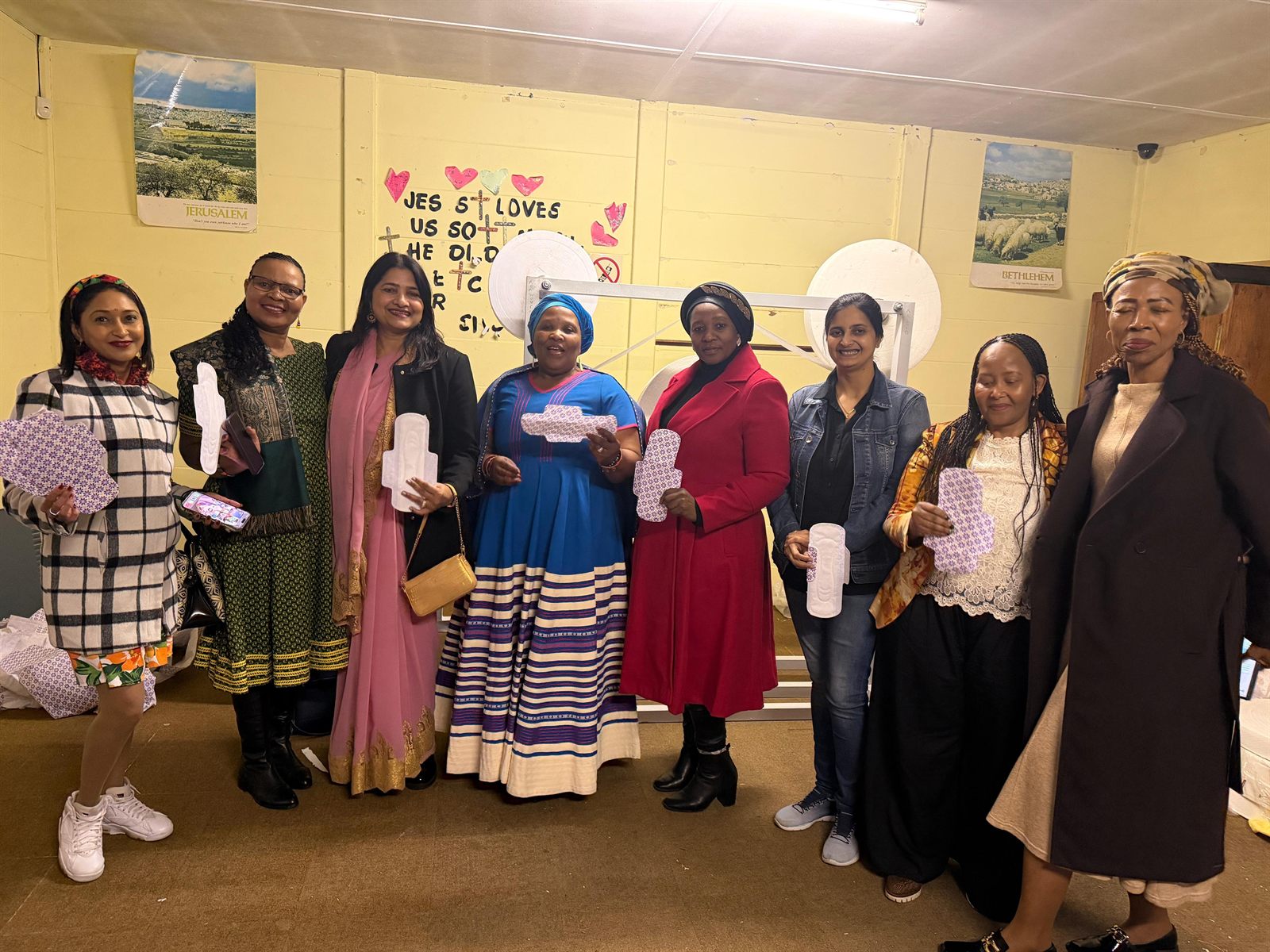
In KwaZulu-Natal, the sanitary pad manufacturing unit we are preparing with the Sivananda World Peace Foundation aims to create skills and jobs for local people. It is at an early stage, but it follows the same idea: the know-how, the work and the benefit stay in the community.
The know-how, the work and the benefit stay in the community.
Training is how we make sure our work does not depend on us.
Builders who learn the design can keep building after the project team has gone.
Next: partnerships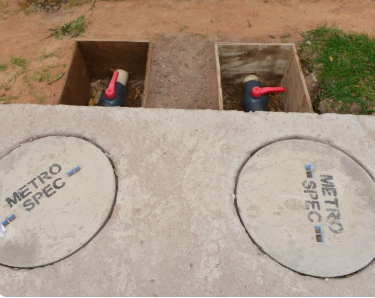

Call to action
Meaningful change begins with partnership.
We invite our visitors to learn about our work, join our mission, and contribute in any way they can. Together, we can build resilient communities and transform lives.